How to Choose the Right Winter Coat in Pakistan
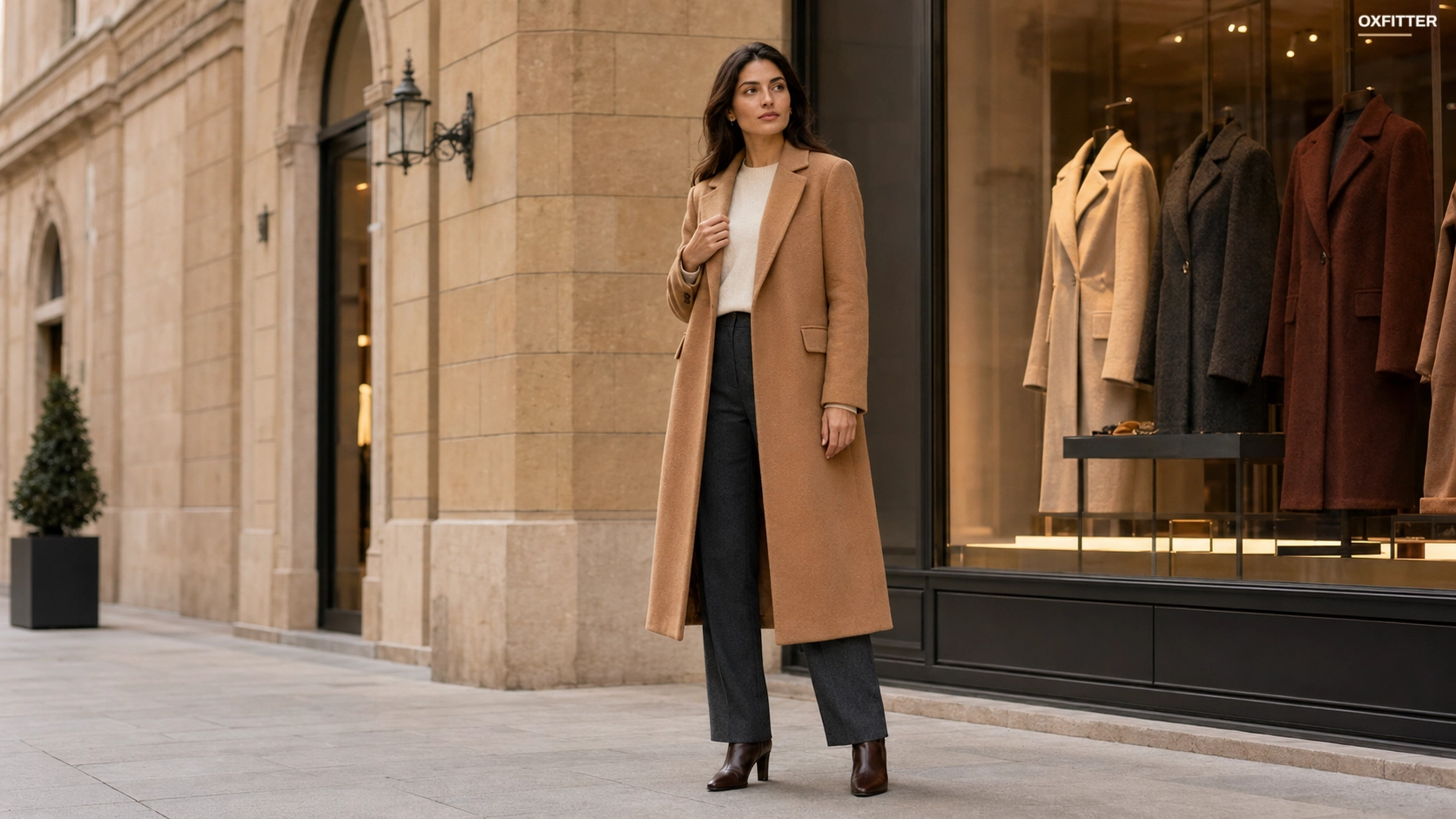
Not every winter coat works for every Pakistani city. This practical guide explains how to compare warmth, wool content, fit, length and construction before you buy.
Choosing a winter coat in Pakistan is not simply about selecting the heaviest option. The right coat depends on where you live, how often you will wear it, what you normally wear underneath and whether you need it for everyday travel, work, evenings or colder northern trips.
A coat that feels comfortable during a Lahore morning may be too warm by the afternoon. A lightweight fashion coat that works in Karachi may not provide enough protection in Islamabad, Quetta, Murree or the northern regions. The best choice is therefore the coat that balances warmth, comfort, fit and versatility for your actual routine.
This guide explains how to choose a winter coat in Pakistan without relying on fabric names or appearance alone.
1. Start with the winter conditions in your city
Pakistan does not have one uniform winter climate. Your location should be the first factor in your decision.
Mild winter conditions
For cities with relatively mild winter days, a lightweight or medium-weight coat is usually more practical. An unlined or lightly lined wool-blend coat can work well over a shirt, knit top or light sweater without becoming uncomfortable during the day.
Cool urban winters
For cities such as Lahore, Islamabad, Rawalpindi and Faisalabad, a medium-weight lined coat offers greater versatility. It should have enough room for knitwear while still looking balanced when worn over lighter clothing.
Colder cities and northern travel
Quetta, Murree and northern areas can require more insulation, particularly during early mornings, evenings and periods of snow or strong wind. Choose a substantial lined coat with secure front closure and enough room for thermal layers. For severe weather, a wool coat may need to be combined with thermals, knitwear, gloves and weather-resistant footwear.
The key question is not “Which coat looks warmest?” but “Where and when will I actually wear it?”
2. Check the material instead of trusting the product name
The word “winter” in a product title does not confirm how warm the garment will be. Always check the material information when it is available.
Wool and wool-blend coats
Wool is valued for insulation and breathability. A wool coat can retain warmth while remaining more polished than many padded jackets. Wool-blend coats combine wool with fibres such as polyester, acrylic, nylon or viscose. The performance of a blend depends on the percentages, fabric density, lining and overall construction.
A higher wool percentage can be a useful indicator, but it should not be your only test. A well-constructed, tightly woven wool-blend coat may feel warmer and hold its shape better than a thin coat with an impressive-sounding material label.
Explore OXFITTER’s wool coats in Pakistan when you want a refined option for work, evenings and everyday winter styling.
Synthetic and padded outerwear
Polyester-filled or padded jackets can provide useful insulation, particularly for casual wear and outdoor travel. They are often easier to maintain, but their appearance and breathability differ from tailored wool outerwear.
Fabric checks to perform
Before buying, review:
fibre composition;
fabric thickness and density;
full, partial or absent lining;
softness and surface condition;
pilling, thinning or pulled fibres;
whether the care instructions suit your routine.
If the fibre composition is not verified, do not assume that a coat is pure wool.
3. Choose warmth according to how you layer
A coat does not work independently from the clothing underneath it. Your preferred layers change the size and fit you need.
If you normally wear thin shirts or dresses, a closer tailored fit may be comfortable. If you wear thick sweaters, hoodies or thermal layers, you need additional room around the shoulders, chest and sleeves.
When trying on a coat:
Wear the type of sweater you expect to use in winter.
Button or close the coat completely.
Lift and cross your arms.
Sit down and check the chest, waist and hips.
Make sure the sleeves do not pull sharply at the shoulders.
The coat should not feel restrictive, but excessive empty space can allow cold air inside and make the silhouette look larger than intended.
4. Understand tailored, relaxed and oversized fits
Fit labels are not interchangeable.
Tailored fit
A tailored coat follows the body more closely and creates a structured appearance. It works well for office wear, formal outfits and occasions where you expect to wear lighter layers.
Relaxed fit
A relaxed coat provides comfortable layering room without creating a strongly oversized silhouette. It is often the most versatile option for everyday use.
Oversized fit
An oversized coat is intentionally designed with extra volume, dropped or wider shoulders and a more generous body. Buying your usual size may already provide the intended oversized appearance. Sizing up again can distort the shoulder position, sleeve length and overall balance.
Always compare the garment measurements with a coat you already own. Do not depend only on labels such as small, medium or large because sizing varies between brands and countries.
5. Select the right coat length
Length affects warmth, movement and styling.
Short coats
Shorter coats are convenient for driving, frequent movement and milder temperatures. They work easily with jeans and casual outfits but provide less coverage.
Mid-length coats
A mid-length coat usually balances warmth and practicality. It can work for everyday errands, office wear and evening use without feeling difficult to manage.
Long coats
Long coats provide greater coverage and create an elegant winter silhouette. They pair well with trousers, dresses and traditional clothing, but the hem should remain clear of the ground and allow comfortable walking.
Browse long coats in Pakistan if coverage and a polished silhouette are priorities.
6. Inspect the construction and condition
A beautiful fabric cannot compensate for weak construction. Whether you are buying a new coat or a one-of-one archive piece, inspect the areas that carry the most stress.
Check:
shoulder and underarm seams;
buttons, buttonholes, zips and belts;
pocket attachment;
sleeve lining;
hem alignment;
back vent;
loose threads;
stains, odour, pilling and fabric wear.
For a preloved coat, small signs of previous use can be reasonable when clearly disclosed. The important point is that the condition description and photographs allow you to make an informed decision.
OXFITTER’s Archive Finds are intended for shoppers looking for distinctive, limited or one-of-one outerwear. Review the listed measurements, material and condition of each piece individually.
7. Pick a colour you will actually wear
Neutral colours usually offer the greatest cost per wear:
black for formal and everyday outfits;
camel for warm, classic styling;
charcoal or grey for easy coordination;
navy for a softer alternative to black;
brown for a rich heritage-inspired look.
Burgundy, forest green and other deeper colours can still be versatile while giving your winter wardrobe more character. Before choosing a statement shade, imagine at least three complete outfits using clothing and shoes you already own.
8. Consider your daily routine
The ideal coat for someone who drives to work may be different from the ideal coat for someone who walks, uses a motorbike or travels outdoors for long periods.
Ask yourself:
Will I wear it mostly during the day or at night?
Do I need freedom of movement for commuting?
Will I carry a backpack or shoulder bag?
Do I need functional pockets?
Will I wear eastern outfits, western outfits or both?
How often can I realistically dry-clean or maintain it?
A versatile coat that suits most of your week is usually a better purchase than a dramatic coat that only works with one outfit.
9. Verify measurements before ordering online
For online shopping, garment measurements are more useful than the size written on the label.
Compare the listed measurements with a coat that fits you comfortably. Pay particular attention to:
shoulder width;
pit-to-pit or chest width;
sleeve length;
total length;
waist and hip width on fitted styles.
Also check whether the measurements are taken flat and whether you need to double the chest or waist measurement. If any essential measurement is missing, ask the retailer before ordering.
10. Read the care label
Some wool and tailored coats require professional dry cleaning. Others permit careful hand washing or a specialised wool cycle. Following the wrong method can cause shrinkage, loss of shape, lining damage or surface distortion.
General good practice includes:
allowing the coat to air after wear;
using a broad, supportive hanger;
avoiding overcrowded storage;
brushing away surface dust gently;
treating stains promptly according to the care label;
storing the coat clean and dry at the end of winter.
The garment’s own care label should always take priority over general advice.
A quick winter coat checklist
Before purchasing, confirm:
the coat suits the winter conditions where you live;
the material composition is clearly stated;
the lining and fabric weight match your warmth needs;
there is enough room for your normal layers;
the shoulders, sleeves and closure fit correctly;
the length works with your height and routine;
the measurements have been checked;
the condition is accurately disclosed;
the care requirements are manageable;
the colour works with your existing wardrobe.
Final advice
The right winter coat should feel comfortable, look balanced and serve more than one part of your routine. Begin with climate and warmth, then compare material, construction, fit and measurements. Style matters, but a coat becomes a valuable wardrobe piece only when you can wear it confidently and repeatedly.
Explore OXFITTER’s curated collection of winter coats in Pakistan, including wool, long and one-of-one archive options. Always review the verified product details and measurements on the individual product page before ordering.
Suggested FAQ content
Which coat material is best for winter in Pakistan?
Wool and substantial wool blends are versatile choices for many Pakistani winters because they combine insulation with a polished appearance. The best material still depends on your city, the coat’s thickness and lining, and the layers you plan to wear.
Should I size up when buying a winter coat?
Size up only when the garment measurements do not provide enough room for your normal winter layers. An oversized coat already includes additional ease, so automatically sizing up may make the shoulders and sleeves too large.
Are long coats suitable for everyday wear?
Yes. A long coat can work for office, evening and everyday outfits when its hem allows comfortable walking and does not drag near the ground. People who drive frequently may prefer a mid-length design.
Is a wool-blend coat warm enough?
It can be. Warmth depends on the blend percentage, fabric density, lining, construction and what you wear underneath. Do not judge performance from the words “wool blend” alone.
What should I check before buying a coat online?
Check the garment measurements, material composition, lining, closure, condition, care instructions and return policy. Compare the measurements with a coat you already own rather than relying only on the labelled size.
Topics